

 7-Aug-26 6 min. read
How Much Does It Cost to Ship a Car Across Country?
Understand cross-country car shipping prices, transit times, transport options, and the main factors that can raise or lower your quote.
Read our cost guide Proudly American

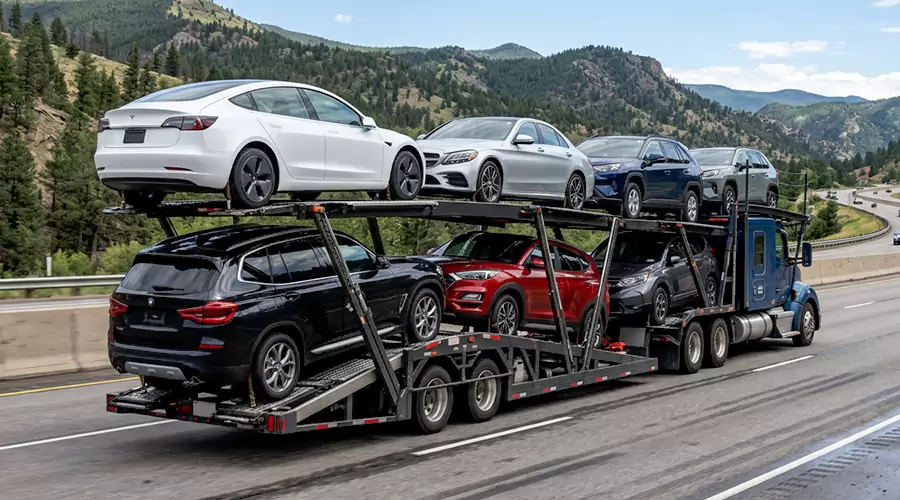
The cost to ship a car across country usually ranges from $1,050 to $1,800 for a standard sedan on an open carrier in 2026. Enclosed transport commonly costs $1,500 to $3,000 because fewer vehicles share the trailer.
A national quote study found an average price of $1,406 for a 2,500-mile open shipment. Another 2026 study found an average of $1,108 for a 1,400-mile open shipment. These figures show why distance alone cannot predict the final bill.
Vehicle size and pickup timing can move the price by hundreds of dollars. A very low estimate can also rise when no carrier accepts the original rate. Understanding each price factor helps you set a realistic budget before releasing the vehicle.
The average cost to ship car across country is about $1,400 for a standard vehicle using open transport. A realistic 2026 budget sits between $1,050 and $1,800. The final amount depends on mileage and trailer type. Vehicle dimensions also affect the available carrier space.
Kelley Blue Book requested prices from eight transport companies. The average open-carrier quote reached $1,406 for a 2,500-mile shipment. The quoted range was $1,050 to $1,800.
A separate quote analysis found a $1,564 average for a 2,445-mile open shipment. Individual offers ranged from $1,145 to $2,035. This wide spread shows why one estimate should never define your budget.
The shipping car across country budget should include more than the advertised transport amount. Payment fees or loading upgrades can raise the final bill. Storage can also add costs when terminal pickup is delayed.
| Transport setup | 2026 planning range | Best suited for |
|---|---|---|
| Open carrier | $1,050 to $1,800 | Standard cars |
| Enclosed carrier | $1,500 to $3,000 | High-value vehicles |
| Inoperable vehicle | Open price plus about $150 | Cars that cannot drive |
| Expedited pickup | Standard price plus several hundred dollars | Urgent schedules |
Enclosed service should not be selected only because the route is long. Open carriers transport ordinary vehicles across the country every day. Enclosed protection makes more sense when minor road exposure could create a large financial loss.
Distance raises the total bill while lowering the rate for each mile. A 500-mile open shipment averaged $751 in 2026. The average reached $1,020 at 1,000 miles. It rose to $1,406 at 2,500 miles because the truck traveled much farther.
| Distance | 2026 quote range | Average price | Average rate |
|---|---|---|---|
| 500 miles | $650 to $890 | $751 | $1.50 per mile |
| 1,000 miles | $800 to $1,350 | $1,020 | $1.02 per mile |
| 2,500 miles | $1,050 to $1,800 | $1,406 | $0.56 per mile |
Long shipments offer a lower mileage rate because loading work remains similar. Dispatch and inspection work also create fixed costs. A longer route spreads those expenses across more miles.
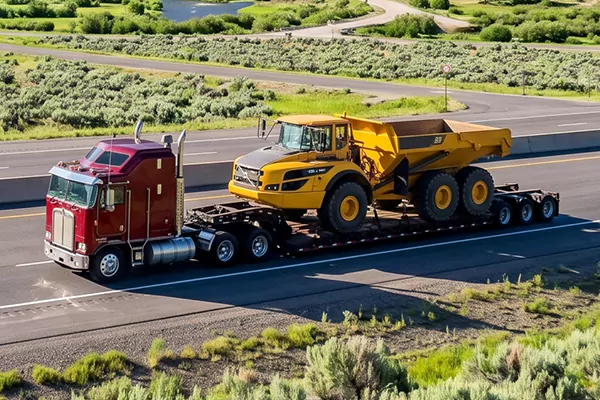
The vehicle transport rates in the table apply to a standard sedan on an open carrier. A pickup can require more trailer space. A modified vehicle can also need different loading equipment.
A 2,500-mile shipment does not cost five times as much as a 500-mile move. The average total rises by about $655 in the quote study. Meanwhile, the average mileage rate falls by almost two-thirds.
This pricing pattern explains why a short shipment can look expensive per mile. The carrier still performs an inspection and loading process. The driver also spends time reaching each address.
The final price changes with vehicle size and trailer choice. Pickup flexibility also affects carrier interest. Seasonal demand can restrict available space. An inoperable vehicle raises the price because the driver needs extra loading equipment and must allow more time at pickup.
Open carriers move several vehicles on a two-level trailer. This setup gives customers the lowest common transport price. The vehicle remains exposed to weather and normal road dust.
Enclosed car shipping places the vehicle inside a covered trailer. This method often costs 45% to 60% more. It is commonly used for classic vehicles or cars with low ground clearance.
A standard commuter rarely needs enclosed service. A rare vehicle may justify the price when cosmetic damage would cause a large loss.
Compact cars use less trailer space than large pickups. They also add less weight to the load.
Cars.com found open-shipping prices between $650 and $1,500 for smaller vehicles on a 1,400-mile route. Large vehicles reached $1,000 to $2,500 in the same research.
Tell the company about roof racks or oversized tires. Exterior modifications change the loaded dimensions. A price based on standard factory measurements may not remain valid.
A car that starts and steers can move onto a trailer without a winch. A non-running vehicle needs extra equipment. One 2026 pricing review found an average inoperable-vehicle charge of $150.
Report a failed brake system before booking. A vehicle that rolls but cannot stop presents a different loading problem than one with a dead battery.
A flexible pickup period gives dispatchers more chances to match your vehicle with an active route. Guaranteed collection reduces the number of suitable trucks.
One 2026 provider review listed $250 for a two-day guaranteed pickup. A one-day guarantee added $350. These fees show how urgency can affect the total.
The cheapest way to ship a car cross country is usually open transport with flexible dates. Booking early also creates more time to find suitable trailer space.
Frequent transport lanes can attract more carriers. An unusual route may require the driver to travel empty miles before pickup.
The car transport interstate price can also change by travel direction. A busy outbound market may have more vehicles than available trailer positions. The return direction can cost less when trucks need vehicles for the trip back.
Cross-country vehicle transport usually takes 7 to 14 days after pickup in 2026. Common routes can finish near the lower end. Weather can extend the trip. Road closures can also delay delivery because one trailer may carry several vehicles with different scheduled stops.
Pickup time is separate from transit time. Many transport companies need three to five days to assign a truck. Some assignments can take up to seven days when carrier availability is limited.
A realistic timeline looks like this:
The total process can reach two weeks or longer. Booking does not mean the vehicle enters a trailer that day.
The car moving service cost can rise when a guaranteed delivery date is requested. A normal delivery window gives the driver room to manage traffic or earlier stops.
Never schedule a flight around an exact delivery hour. Use a second authorized person when you cannot remain available through the full window.
A suspicious estimate often starts far below the current market range. Other warning signs include missing federal registration and unclear payment terms. The Federal Motor Carrier Safety Administration advises consumers to confirm whether the business is a broker or an actual carrier before booking interstate transport.
Check these ten warning signs:
An unusually low vehicle shipping quote should be compared with at least two other written offers. FMCSA also recommends checking the company’s registration through its official carrier search.
The highest price is not proof of quality. Kelley Blue Book advises consumers to verify credentials instead of selecting an offer based only on price.
You can create a useful 2026 estimate by matching the route distance with a current mileage benchmark. Use about $1.02 per mile near 1,000 miles. Use about $0.56 per mile near 2,500 miles. Then adjust for the vehicle’s size and condition.
Follow this five-step test:
A 2,000-mile sedan shipment might start near $1,439 based on one 2026 pricing table. A 1,000-mile shipment in the same table was about $1,069.
Your vehicle shipping estimate should use road distance instead of a straight line. Transport trailers follow legal truck routes. The actual trip may be longer than the distance shown on a simple map.
Collect auto transport quotes with identical information. Use the same trailer type for each request. Keep the pickup window unchanged.
A cheap car transport cross country offer is not automatically unsafe. The risk begins when the price lacks a written explanation or valid registration.
The strongest test compares the quote with current benchmarks. A number hundreds of dollars below every other offer deserves careful review.
Professional help is appropriate when the car cannot run or has very low ground clearance. It also helps when the vehicle has unusual dimensions. A registered broker can arrange trailer space. A registered carrier performs the physical transport and must hold the required federal authority.
Ask for help when the car cannot steer. Report locked wheels before a carrier is assigned. These conditions can require special loading equipment.
A car moving service should identify whether it acts as a broker or carrier. The legal business name should match its federal registration record.
Request the assigned carrier’s insurance information before pickup. Review the coverage limits. Ask how a damage claim must be documented.
The driver should complete a condition inspection at pickup. Review every marked area before signing the bill of lading.
Inspect the vehicle again at delivery. Record new damage on the document before the driver leaves. Photographs taken at both inspections provide a clear comparison.
Professional coordination does not replace your own document review. Stop the pickup when the company name or transport price does not match the written agreement.
You can prevent unnecessary charges by booking early and providing accurate vehicle details. Choose open transport unless the car needs covered protection. Allow a flexible pickup window. Read every payment term before booking. These steps reduce the risk of expedited fees or loading adjustments.
Use this preparation schedule:
Keep the vehicle close to its factory configuration when possible. Removable roof accessories can increase the loaded height. Added weight can also create a separate charge.
Leave about one-quarter of a tank of fuel. The driver needs enough fuel for loading. A full tank adds unnecessary weight.
Avoid top-load placement unless the vehicle requires it. One 2026 review listed this upgrade at $100.
Ask about card fees before choosing a payment method. Review the remaining driver balance as well. A small deposit does not reveal the full transport price.
The cost to ship a car across country becomes easier to control when the shipment details stay accurate. This week, measure the route and compare three written estimates. Verify federal registration before paying. Open transport will suit most standard vehicles. Professional guidance is useful when special loading equipment is required or the vehicle has unusual dimensions.
7-Aug-26 6 min. read
Understand cross-country car shipping prices, transit times, transport options, and the main factors that can raise or lower your quote.
Read our cost guideNeed Help?
One call solves it all.